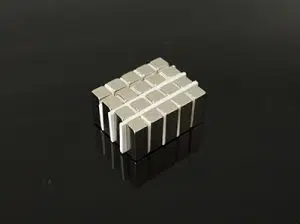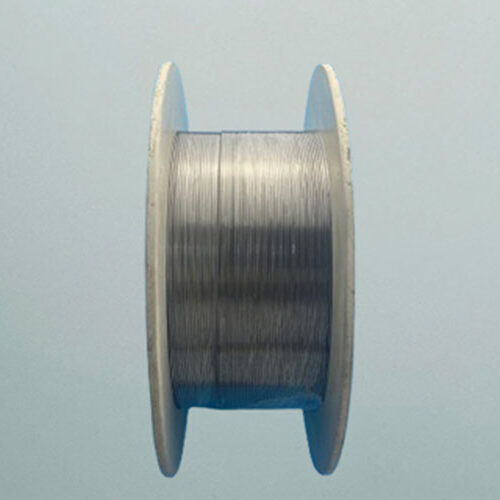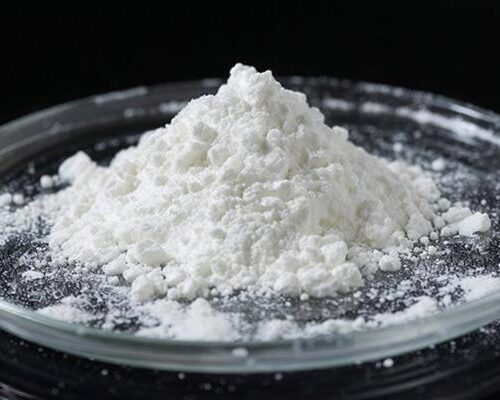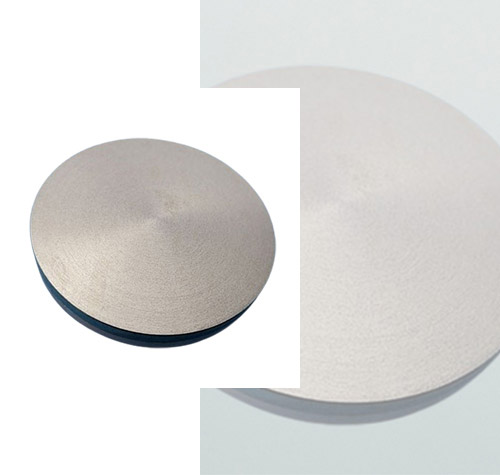

Erbium sits on the United States Geological Survey’s 2025 List of Critical Minerals, cited specifically for its role in fiber optics, optical amplifiers, lasers and glass colorants. The top erbium uses span three industries that rarely intersect: telecommunications infrastructure, medical laser systems and nuclear engineering, plus a smaller but persistent role in specialty glass and metallurgy. This piece ranks the ten most significant erbium uses by scale and criticality of demand, and explains why the element’s supply position has become a live policy issue in both Washington and Brussels.
How We Ranked the Top 10 Erbium Uses
Erbium uses were ranked by the scale of industrial and commercial demand each application generates, and by how difficult that demand would be to substitute if erbium supply were disrupted. Fiber optic amplification and medical laser systems dominate global consumption. Nuclear, metallurgical and specialty glass applications follow, each niche but structurally difficult to replace with an alternative element. Erbium uses in consumer electronics and defense optics round out the list at lower volume but growing relevance.
1. Erbium-Doped Fiber Amplifiers (EDFAs)
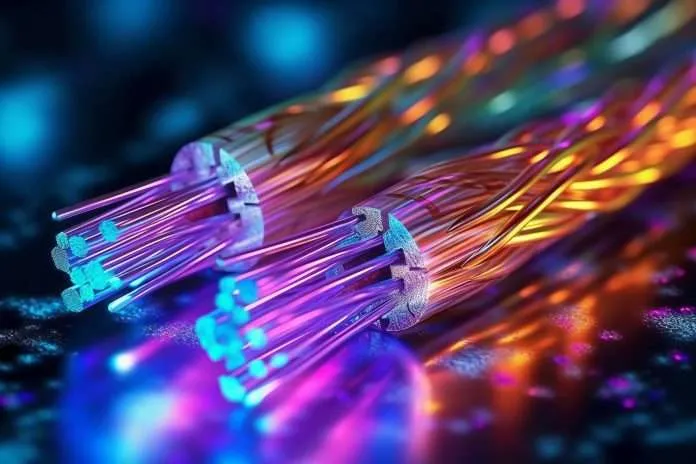
The single largest of all erbium uses is amplification inside long-haul fiber optic networks. Erbium-doped fiber amplifiers boost light signals directly, without converting them back to electrical pulses first, at the 1,550 nanometre wavelength where optical fiber loses the least signal strength over distance. This is the backbone technology behind transoceanic internet cables, national telecom backhaul and the data centre interconnects that support cloud computing and AI infrastructure buildout. Demand for EDFA-grade erbium has tracked the expansion of global data traffic and 5G network densification closely over the past several years.
2. Dermatological Laser Resurfacing (Er:YAG)
Erbium-doped yttrium aluminium garnet, known as Er:YAG, is the active medium in a widely used class of skin resurfacing lasers. These systems target water in the outer skin layers with minimal thermal spread to surrounding tissue, making Er:YAG a preferred choice for practitioners treating fine lines, scarring and pigmentation where a gentler recovery profile than older ablative lasers is required. This is among the fastest-growing erbium uses outside telecoms, tracking broader growth in the medical aesthetics sector.
3. Dental Laser Procedures
Er:YAG and related erbium-doped systems are also used in hard and soft tissue dental procedures, including cavity preparation, gum contouring and some root canal treatments. Erbium lasers cut and vaporise tissue with less heat generation than traditional drilling, which reduces the need for local anaesthetic in some procedures. Dental applications are a smaller volume use than dermatology but represent a stable, non-cyclical source of demand.
4. Nuclear Reactor Control Rods
Erbium has a strong neutron absorption cross-section, which makes it useful as a burnable neutron poison in nuclear reactor fuel and control rod assemblies. Erbium oxide is blended into some uranium fuel formulations to moderate reactivity over the fuel cycle, extending the interval between refuelling outages. This is one of the more specialised erbium uses, concentrated among reactor fuel fabricators rather than a broad industrial base, but it has no straightforward substitute among other rare earths.
5. Pink and Infrared-Absorbing Specialty Glass
Erbium oxide produces a distinctive pink to red colour in glass and ceramics, used historically in decorative glassware and more recently in specialty optical filters that need to absorb specific infrared wavelengths. Erbium-doped glass is used in some laser safety eyewear and in calibration filters for spectroscopy equipment, where its narrow, well-characterised absorption bands are the actual functional requirement rather than the colour itself.
6. LED and Display Phosphors
Erbium compounds contribute to phosphor formulations used in some LED lighting and display technologies, working alongside other rare earths such as yttrium and terbium to tune emission colour. This is a smaller-volume application relative to fiber optics or medical lasers, but it sits inside a consumer electronics supply chain that is highly sensitive to any disruption in rare earth oxide availability.
7. Vanadium and Titanium Alloy Additive
In metallurgy, small erbium additions to vanadium and titanium alloys improve workability during hot forming by refining grain structure. This use case is a minor share of total erbium demand by volume, but it appears in aerospace-grade titanium alloys where consistent mechanical performance is non-negotiable, giving it outsized importance relative to its tonnage.
8. Cryocooler Regenerator Material
Erbium-nickel intermetallic compounds, notably Er3Ni, are used as regenerator material in cryocoolers that reach temperatures below 10 Kelvin. These cryocoolers support superconducting magnets, quantum computing hardware and some space-based infrared sensors. Demand here is small in absolute terms but growing alongside investment in quantum computing infrastructure.
9. Medical Radioisotope Applications
Erbium-169, a radioactive isotope of erbium, has been used in radiosynovectomy, a treatment for chronic joint inflammation in small joints such as fingers, where a targeted radioactive source reduces synovial tissue without surgery. This is a niche clinical application relative to the dermatology and dental erbium uses above, but a well-established one in specialist rheumatology and nuclear medicine practice.
10. Optical Filters and Defence Sensor Components
Beyond fiber telecoms, erbium-doped optical components appear in defence and aerospace sensor systems that operate in the same near-infrared bands EDFAs exploit, including some rangefinder and targeting optics. This overlaps with erbium’s broader photonics role but is tracked separately by defence procurement given the strategic sourcing scrutiny applied to military optics supply chains.
Erbium Uses Summary Table
| Rank | Application | Primary Sector | Key Property Exploited |
|---|---|---|---|
| 1 | EDFA fiber amplification | Telecommunications | 1,550nm optical gain |
| 2 | Er:YAG dermatology lasers | Medical / aesthetics | Water-selective absorption |
| 3 | Dental laser procedures | Medical / dental | Low-heat tissue ablation |
| 4 | Nuclear control rods | Energy / nuclear | Neutron absorption |
| 5 | Specialty pink/IR glass | Industrial / optics | Narrow-band colour and IR absorption |
| 6 | LED and display phosphors | Consumer electronics | Emission colour tuning |
| 7 | Vanadium/titanium alloy additive | Metallurgy / aerospace | Grain refinement |
| 8 | Cryocooler regenerator (Er3Ni) | Quantum / superconducting | Low-temperature heat capacity |
| 9 | Erbium-169 radiosynovectomy | Medical / nuclear medicine | Targeted beta radiation |
| 10 | Defence optical filters | Defence / aerospace | Near-infrared selectivity |
The Outlook for Erbium Uses
Erbium’s classification on the USGS 2025 List of Critical Minerals reflects how concentrated its supply chain is. Erbium belongs to the heavy rare earth group, and mining of heavy rare earth ore remains overwhelmingly concentrated in China, with exploration-stage deposits in Brazil, Vietnam and India yet to reach established production. China added erbium to its rare earth export control list in October 2025 before suspending that expansion for one year the following month, a reminder that even niche erbium uses in telecoms and medical lasers sit downstream of a supply chain with a single dominant chokepoint. In the European Union, erbium falls under the Critical Raw Materials Act‘s broader critical raw materials list, alongside the other rare earths, and is subject to the Act’s 2030 targets for domestic extraction, processing and recycling capacity, even though it is not among the narrower set of materials the Act names specifically for magnet applications.
For pricing context behind these erbium uses, see REM’s erbium price tracker, which follows the Shanghai Metals Market industrial benchmark referenced by SMM. For a broader introduction to the element’s properties and supply chain, see What Is Erbium?. Readers comparing erbium’s application profile against other heavy and light rare earths may also find REM’s Top 10 Terbium Uses and Top 10 Uses of Neodymium rankings useful for context.
This article is for informational purposes only and does not constitute investment advice.
What is the most significant erbium use?
The largest of all erbium uses by volume is amplification inside long-haul fiber optic networks, where erbium-doped fiber amplifiers boost optical signals at the 1,550 nanometre wavelength used across global telecom infrastructure and data centre interconnects.
Is erbium used in medicine?
Yes. Erbium-doped yttrium aluminium garnet (Er:YAG) is the active medium in a widely used class of dermatological resurfacing lasers and is also used in dental laser procedures for tissue ablation. A radioactive isotope, erbium-169, has a specialist role in joint inflammation treatment.
Why is erbium used in nuclear reactors?
Erbium has a strong neutron absorption cross-section, which makes it useful as a burnable neutron poison in some reactor fuel and control rod formulations, helping moderate reactivity over the fuel cycle.
Is erbium a critical mineral?
Yes. Erbium appears on the USGS List of Critical Minerals and falls under the European Union’s Critical Raw Materials Act as part of the broader critical raw materials list covering rare earth elements. See REM’s erbium price and supply chain coverage for current sourcing detail.
Where does erbium come from?
Erbium is a heavy rare earth element, and mining of heavy rare earth ore is heavily concentrated in China. Exploration-stage heavy rare earth deposits exist in Brazil, Vietnam and India, though these have not yet reached established commercial erbium production.