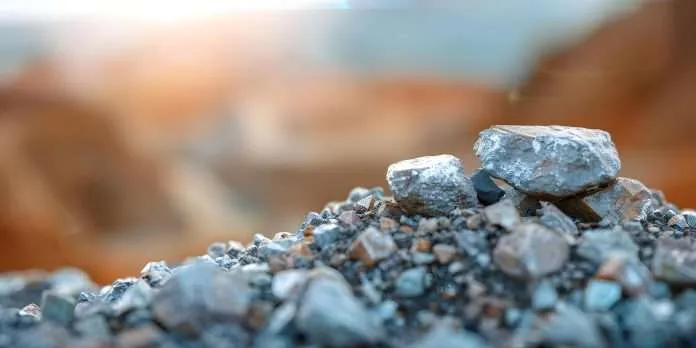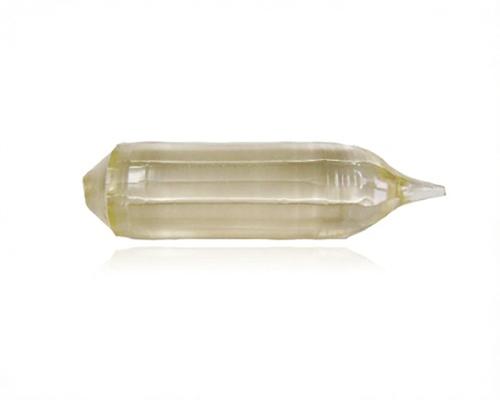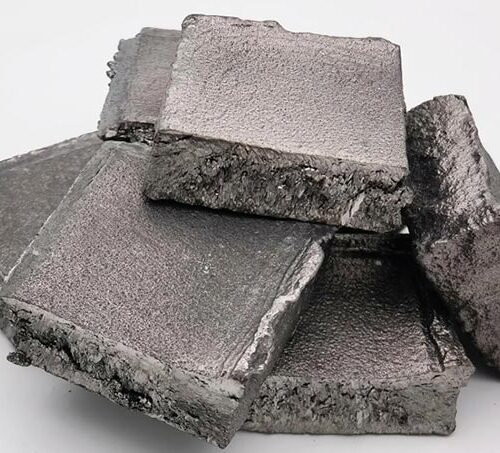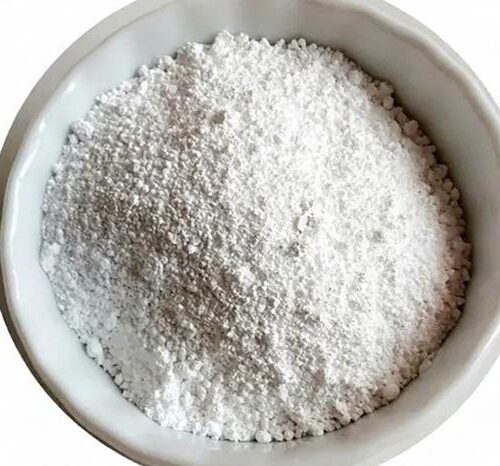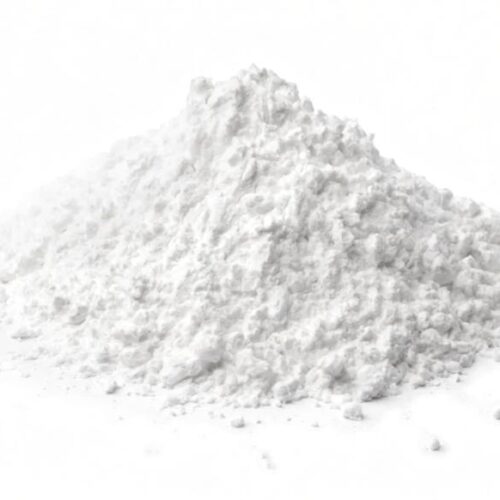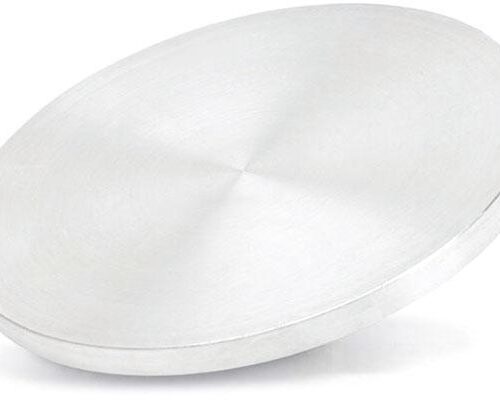

- Rare earth oxide vs metal price gaps exist because converting a stable oxide into pure metal requires energy-intensive reduction, not a simple processing step
- The two most common metal-production routes are molten salt electrolysis for light rare earths and calciothermic reduction for heavy rare earths
- China holds roughly 90% of global rare earth refining and metallization capacity, which shapes both the size and the geography of the metal premium
- 10 of REM’s 19 tracked elements benchmark to metal contracts; the other 9 (including gallium, germanium and indium) benchmark to oxide or industrial spot pricing instead
- Budgeting for magnet-grade material means pricing the metal form, not the oxide, since the two are not interchangeable for procurement purposes
Anyone comparing a rare earth oxide vs metal price for the same element will find the metal consistently trades higher, sometimes by a wide margin. The gap isn’t a market inefficiency. It reflects a genuine industrial process: oxides are the form rare earths take straight out of a mine and separation plant, while metals require a second, chemically demanding conversion step before they’re usable in magnets, alloys or specialty glass.
What Actually Drives the Rare Earth Oxide vs Metal Price Gap
Rare earth elements are mined and separated as oxides because that’s the chemically stable form in which they occur in ore concentrate. Turning an oxide into metal means breaking the oxygen bond, which takes one of two industrial routes. Light rare earths such as lanthanum, cerium, praseodymium and neodymium are typically produced by molten salt electrolysis of fluoride baths, a continuous process but one that runs at high temperature and carries meaningful energy and emissions costs. Heavy rare earths such as dysprosium, terbium and holmium are more often produced by calciothermic reduction, using metallic calcium to strip oxygen from the rare earth fluoride in a batch process.
Both routes add cost on top of the oxide price: reagents, electricity, specialized furnace or electrolytic cell infrastructure, and yield losses, since oxygen accounts for a meaningful share of an oxide’s total mass and is discarded during conversion. A given tonne of oxide therefore produces less than a tonne of finished metal, which pushes the effective cost per kilogram of metal higher still.
Geopolitics Widens the Rare Earth Oxide vs Metal Price Gap
Production economics only explain part of the story. China controls roughly 90% of global rare earth refining and metallization capacity, concentrating both the processing know-how and the reducing-agent supply chain in one country. Export licensing and quota policy on metals and alloys can widen the gap further for buyers sourcing outside China, since ex-China metal supply is thinner and less price-competitive than the oxide market. That dynamic has been a recurring theme in how Western-listed rare earth stocks have re-rated as investors price in supply chain risk further down the value chain, not just at the mining stage.
Which Elements REM Tracks as Oxide vs Metal
Not every element on REM’s price pages benchmarks to the same form. Some rare earths have a liquid, actively quoted metal market; others are thin enough that oxide remains the more reliable benchmark. The table below maps all 19 tracked elements to their primary benchmark and links through to the live price page for each.
| Element | Primary Benchmark |
|---|---|
| Neodymium | Metal |
| Praseodymium | Metal |
| Dysprosium | Metal |
| Terbium | Metal |
| Lanthanum | Metal |
| Cerium | Metal |
| Gadolinium | Metal |
| Samarium | Metal |
| Scandium | Metal |
| Yttrium | Metal |
| Europium | Oxide |
| Erbium | Oxide |
| Lutetium | Oxide |
| Holmium | Oxide |
| Ytterbium | Oxide |
| Thulium | Oxide (estimated, quarterly reference only) |
| Gallium | Industrial metal spot |
| Germanium | Industrial metal spot |
| Indium | Industrial metal spot |
Using Oxide and Metal Prices for Budgeting
The practical takeaway for project developers and procurement teams: never substitute an oxide quote for a metal quote when costing a magnet or alloy contract, and vice versa when costing separation-stage output. The two track different points in the value chain and can move independently, particularly during export-control episodes when metal supply tightens faster than oxide supply. Current benchmark data for both forms, sourced from Shanghai Metals Market, is refreshed monthly across REM’s 19 price pages linked above.
For elements with thin or unreported metal markets, oxide remains the more defensible reference point even for downstream buyers, since it reflects what’s actually being traded at volume. Understanding which benchmark applies to which element is the first step in reading a rare earth oxide vs metal price comparison correctly rather than assuming a fixed multiple applies across the board.
Why is rare earth metal always more expensive than rare earth oxide?
Converting oxide to metal requires breaking a strong chemical bond through molten salt electrolysis or calciothermic reduction, both of which add reagent, energy and yield-loss costs on top of the oxide price.
Which rare earth elements have a metal price and which only have an oxide price?
Most light and several heavy rare earths trade on metal benchmarks, while a handful of scarcer heavy rare earths and thulium are priced primarily on oxide, since their metal markets are too thin to benchmark reliably. See REM’s price page for each element for its current benchmark type.
Does the oxide-to-metal price gap vary by element?
Yes. The gap depends on the reduction process used, how scarce the element is, and how tight the metal-grade supply chain is outside China, so it isn’t a fixed multiple across all rare earths.
Why does China’s dominance affect the metal premium specifically?
China holds the large majority of global rare earth refining and metallization capacity, so export licensing and quota decisions on metal and alloy products can tighten ex-China metal supply faster than oxide supply, widening the premium.
Should I use oxide or metal pricing when budgeting a magnet supply contract?
Use metal pricing for any contract involving magnet alloy, metal powder or finished metal product, and oxide pricing only when costing separation-stage or oxide-form material.