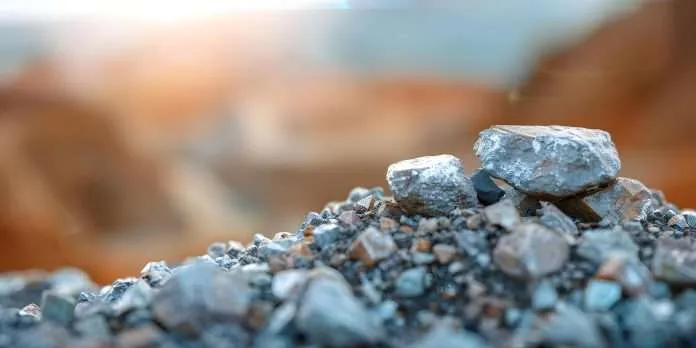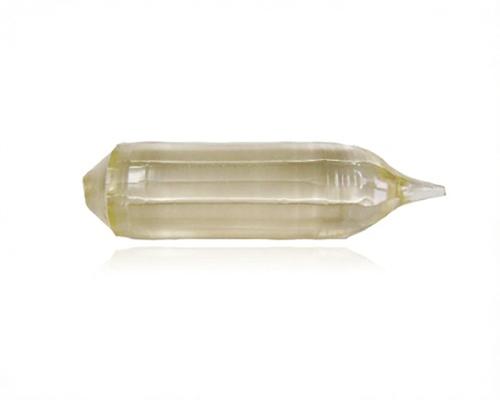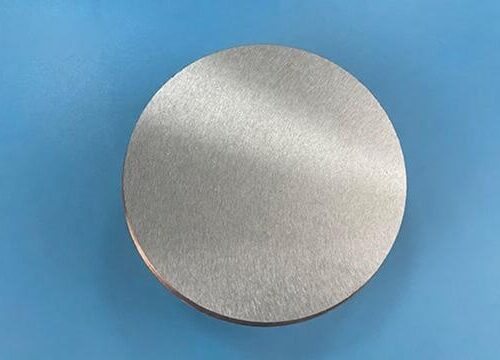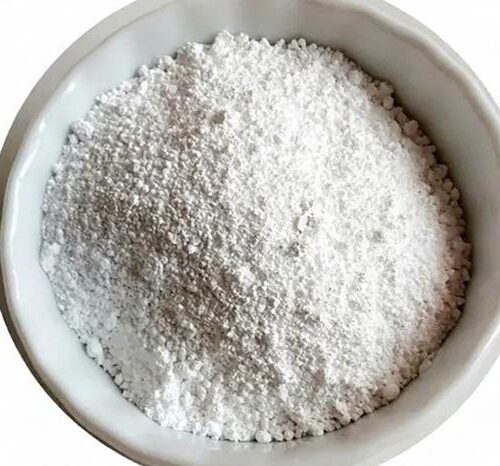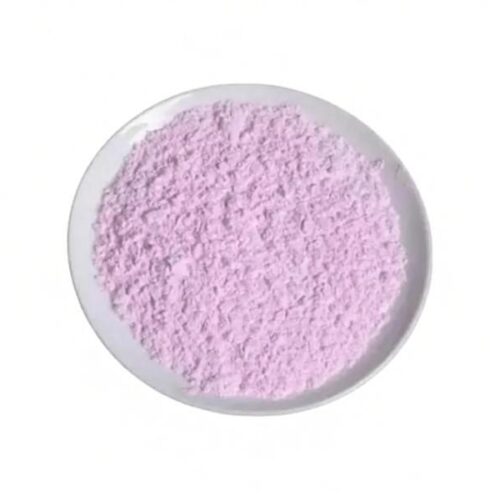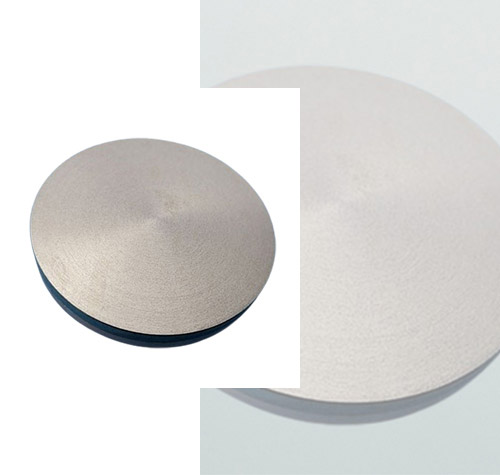
- What is xenotime? It is a yttrium phosphate mineral (YPO4) and one of the few hard-rock ores capable of concentrating heavy rare earths outside China’s ionic clay deposits.
- Xenotime carries meaningful dysprosium, terbium, erbium and ytterbium content, making it a target ore for magnet-grade heavy rare earth supply.
- Key deposits include Northern Minerals’ Browns Range project in Western Australia, the Donald Deposit in Victoria, and Namibia’s Lofdal project.
- Thorium and uranium substitute into the crystal structure, giving xenotime weak to moderate radioactivity that shapes handling and processing.
- Unlike light-rare-earth-dominant monazite, xenotime is structurally suited to concentrating dysprosium, terbium and yttrium in workable grades.
Xenotime is a yttrium phosphate mineral with the chemical formula YPO4, found in pegmatites, granites, gneisses and heavy mineral sand accumulations worldwide. Its primary commercial value lies in its role as a source of yttrium and the heavy rare earth elements, a group where hard-rock ore options outside China remain scarce.
Xenotime Composition and Properties
Xenotime crystallises in the tetragonal system, the same structure as zircon, which it closely resembles in hand specimen. Its yttrium sites readily accept substitution by other trivalent rare earth ions, most notably dysprosium, erbium, ytterbium and gadolinium, which is what gives the mineral its heavy rare earth enrichment relative to monazite or bastnaesite.
Terbium also substitutes into the lattice in smaller but commercially significant amounts. Xenotime typically carries thorium and uranium as impurities in the phosphate structure, which produces weak to moderately strong radioactivity depending on the deposit and requires the same handling and waste protocols applied to monazite processing.
Physically, xenotime has a Mohs hardness of 4.5 and a specific gravity between 4.4 and 5.1, both consistent with its dense, crystalline mineralogical family. Full crystallographic detail is documented on Mindat’s mineralogy database.
Where Xenotime Is Found
Xenotime occurs as an accessory mineral in granites, pegmatites and gneisses, and accumulates alongside monazite, ilmenite, rutile and zircon in heavy mineral sand deposits. Grade and concentration vary widely by deposit type, from trace accessory levels to ore-grade concentrations that support standalone development.
Northern Minerals’ Browns Range project in Western Australia hosts the Wolverine deposit, one of the highest-grade dysprosium and terbium ore bodies identified outside China. The completed definitive feasibility study targets 17,500 tonnes per year of xenotime concentrate at 25% TREO, with an all-in cost of $44.7 per kilogram.
In Victoria, the Donald Deposit is a heavy mineral sands project where xenotime and monazite together make up roughly 2.6% of the heavy mineral content, an unusually high proportion for a mineral sands ore body. Energy Fuels can earn up to a 49% interest in the project through its joint venture with Astron Corporation, which retains 51% and manages the venture.
Namibia’s Lofdal project is a xenotime-hosted deposit with heavy rare earth content reported around 85% of total rare earth oxides, among the highest HREE proportions of any advanced-stage project globally. Search Minerals’ Foxtrot deposit in Labrador, Canada, hosts fine-grained xenotime mineralisation resistant to conventional flotation, and Malaysian tin-mining operations recover xenotime as a byproduct of decades of alluvial tin extraction. At Mount Weld in Western Australia, Lynas Rare Earths’ ore is monazite-dominant, with xenotime present as an accessory overprint mineral in the deposit’s outer zone rather than a primary ore component.
Xenotime vs Monazite
Monazite is a light rare earth phosphate, dominated by cerium, lanthanum and neodymium, and is by far the more abundant of the two minerals in most deposits. Xenotime is the yttrium and heavy-rare-earth-dominant counterpart, which makes it disproportionately valuable relative to its typically smaller resource size.
Hard-rock heavy rare earth sources are rare globally, and most of the world’s current HREE supply comes from ionic clay deposits concentrated in southern China, alongside a smaller number of Western projects developing similar ionic clay deposits in Africa and Asia. Xenotime-bearing hard-rock and mineral sand projects offer a structurally different supply pathway, one based on defined ore bodies and conventional mining rather than in-situ leaching, which matters for permitting timelines and Western government financing appetite.
How Xenotime Is Processed
Xenotime concentrate is typically broken down through acid or caustic leaching, using sulphuric acid or sodium hydroxide depending on the flowsheet and downstream separation route. The resulting rare earth-bearing solution then passes through rare earth separation technologies to isolate individual elements.
Solvent extraction using reagents such as Aliquat 336 handles the initial light and heavy rare earth split, while thiocyanate-based extraction is commonly applied to isolate yttrium from the other heavy rare earths, given its distinct chemical behaviour relative to the true lanthanides.
Why Xenotime Matters for the Rare Earth Supply Chain
Xenotime’s significance lies in its position as a hard-rock heavy rare earth pathway outside China, at a time when Western governments are actively funding alternatives to Chinese-dominated HREE supply. Northern Minerals is targeting a final investment decision on Browns Range no later than 30 September 2026, subject to securing project funding, with first production expected in late 2028 or early 2029.
Processing capacity for xenotime concentrate is also expanding. Iluka Resources’ Eneabba refinery in Western Australia, roughly 60% built as of mid-2026 with commissioning targeted for 2027, is designed to accept feed beyond its own monazite stockpile, including third-party xenotime-bearing concentrate such as the material Northern Minerals plans to supply under its offtake agreement. According to USGS rare earth statistics, production of separated heavy rare earths outside China remains minimal, which is precisely the gap xenotime-bearing projects like Browns Range, Donald and Lofdal are positioned to fill.
None of these projects will replace ionic clay supply at scale on their own. Xenotime’s role is complementary: a hard-rock, permit-friendly source of dysprosium, terbium and yttrium that can diversify Western magnet supply chains even as the bulk of global HREE production stays concentrated in southern China’s clay deposits.
What is xenotime used for?
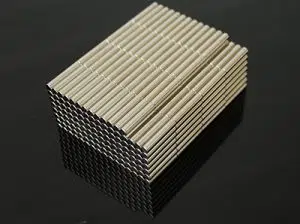
Xenotime is mined primarily as a source of yttrium and heavy rare earth elements, especially dysprosium and terbium, which are used in high-performance permanent magnets for EV motors, wind turbines and defence systems.
Is xenotime radioactive?
Xenotime typically contains thorium and uranium impurities, giving it weak to moderate radioactivity. Processing facilities that handle xenotime concentrate follow the same radiological controls used for monazite.
What is the difference between xenotime and monazite?
Monazite is a light rare earth phosphate dominated by cerium, lanthanum and neodymium. Xenotime is the yttrium and heavy-rare-earth-dominant counterpart, making it a rarer and commercially distinct ore type.
Where are the largest xenotime deposits located?
Notable xenotime-bearing projects include Northern Minerals’ Browns Range project in Australia, the Donald Deposit in Victoria, and Namibia’s Lofdal project. Current development status for each is covered on their respective REM company and country pages.
How is xenotime processed into separated rare earths?
Xenotime concentrate undergoes acid or caustic leaching followed by solvent extraction to separate individual rare earth elements. See REM’s guide to rare earth separation technologies for a full breakdown of the methods involved.